Understand Local SEO: Why It Matters
Local SEO is about helping people find your business when they’re searching online within your area. When someone nearby searches for “coffee shop near me” or “plumber in [your town],” strong local SEO practices can make sure your business pops up in their search results. For small businesses, local SEO is invaluable because it connects you with nearby customers who are actively looking for your services.
The Benefits:
- Higher Visibility – Appear in Google’s “Local Pack” – the box of local results at the top of search pages.
- Targeted Traffic – Attract customers who are more likely to convert.
- Increased Foot Traffic – Turn online searches into in-store visits.
A Simple Definition of Local SEO
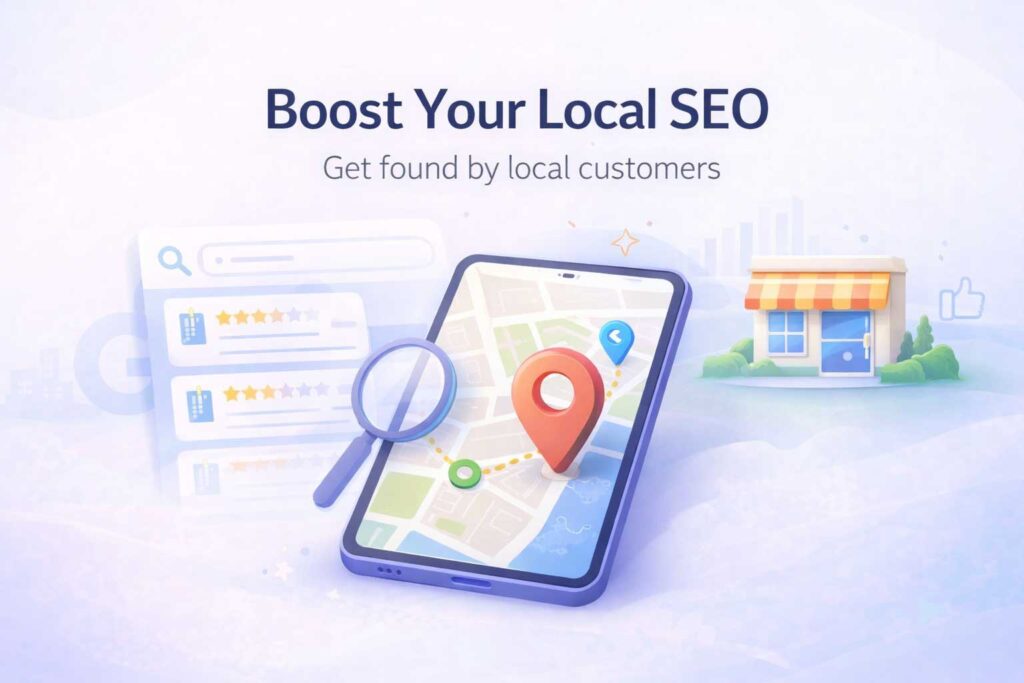
Local SEO is the process of optimising your online presence so your business shows up when people near you search for products or services you offer.
Instead of trying to reach everyone, Local SEO focuses on reaching the right people in the right location at the right time, usually when they’re ready to visit, call, or make a purchase.
For example:
A user searches “coffee shop near me”
A search like “electrician in Covent Garden, London”
Or “hair salon open now”
Local SEO helps your business appear in:
Google Maps results
The local business listings (the “map pack”)
Location-based search results on Google
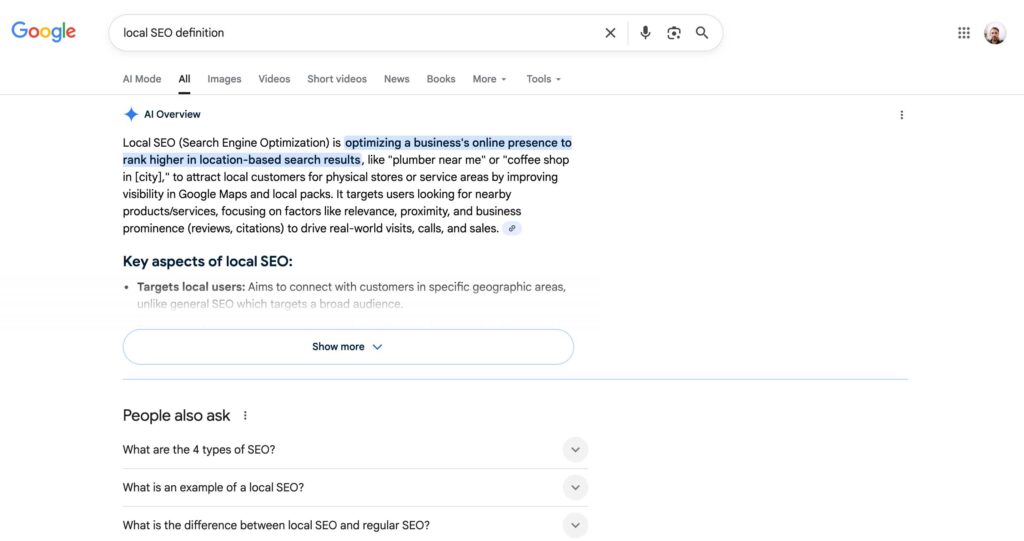
How Local SEO Is Different from Regular SEO
Traditional SEO focuses on ranking a website globally or nationally.
Local SEO adds location signals to the mix.
The most important factors Google looks at are:
Your business location
Your Google Business Profile
Reviews and ratings
Local keywords (city, area, neighbourhood)
Consistent business details across the web
This means your small local business can outrank bigger brands in local searches if it’s better optimised for its area.
Local SEO Is Especially Powerful for Small Businesses
Local SEO levels the playing field, and by following a few simple steps, you have the power to rank at the top.
You don’t need a big marketing budget or thousands of website pages. With the right setup, you can attract nearby customers actively searching for your service and appear exactly when intent is highest.
Most importantly, you increase trust before customers even visit your website
In short, Local SEO turns online searches into real-world customers.
Optimise Your Google Business Profile
Your Google Business Profile (GBP) is one of the most critical assets for local SEO. This is the profile that allows you to appear on Google Maps, which is crucial for local search rankings. Here’s how to optimise it:
- Claim and Verify: First, claim and verify your Google Business Profile if you haven’t done so.
- Add Key Information: Make sure your business name, address, and phone number (NAP) are accurate and match the details on your website.
- Use Keywords Wisely: Include primary keywords naturally in your business description.
- Post Updates: Regularly add posts about upcoming sales, new products, or events to keep your profile active.
- Upload Photos: Adding quality photos of your business helps with visibility and credibility. Businesses with photos receive 42% more requests for directions on Google Maps and 35% more click-throughs to their websites.
 Check the free Guide with step-by-step instructions on how to set up your Google Business Profile. Register for FREE here
Focus on Local Keywords
For effective local SEO, you need to understand the specific terms and phrases people in your area are searching for. Keyword research tools like Google Keyword Planner, Moz, or Ubersuggest can help you identify popular search terms. Here’s how to get started:- Think Like Your Customers: What would your target customers search for when looking for your services? Combine these terms with location keywords (e.g., “home decor shop in [your city]”).
- Include Nearby Neighbourhoods: If your business is in a larger city with various neighbourhoods, use these names in your keywords to capture local traffic.
- Create Content Around Local Events: Writing blog posts, sharing social media updates, or posting about local events can attract local searches and improve your relevance for the area.
Get Consistent with NAP (Name, Address, Phone)
Consistency is crucial. Make sure your NAP details are the same across all online platforms, including your website, social media profiles, and directories like Yelp, Bing Places, and local business listings.
Here’s why it matters:
- Improves Trustworthiness: Consistent information makes you more credible in Google’s eyes, which can improve your search ranking.
- Avoids Confusion: Inconsistent details can confuse potential customers and search engines alike.
Build Local Citations and Backlinks
Local citations (online mentions of your business) are a strong ranking factor for local SEO. Focus on local websites, directories, and platforms that are relevant to your business area.- Get Listed on Local Directories: Look for local business directories, chamber of commerce websites, and review sites to list your business.
- Partner with Local Bloggers or News Outlets: A feature in a local blog or news site can drive both SEO value and traffic.
- Encourage Positive Reviews: Ask satisfied customers to leave reviews on your Google Business Profile and other sites, as reviews are a major factor in local rankings.
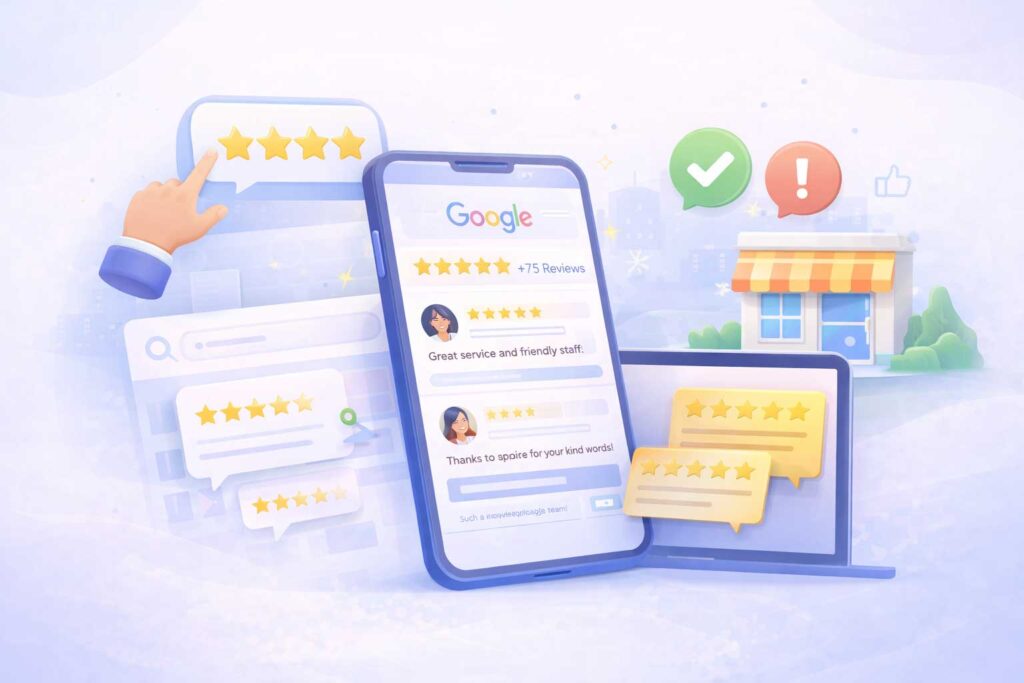
Encourage and Respond to Online Reviews
Reviews are social proof and have a direct impact on your local search rankings. Not only do positive reviews improve your credibility, but Google also considers your review score and engagement in ranking decisions.
- Ask for Reviews: Don’t hesitate to ask happy customers to leave a review.
- Respond Promptly: Whether reviews are positive or negative, responding quickly and politely demonstrates excellent customer service.
- Showcase Reviews on Your Website: Use testimonials from Google or other review sites on your website to strengthen trust.
Use Localised Content Marketing
Content marketing is an effective way to increase your visibility. For local SEO, this means creating content with a regional focus:- Blog About Local Topics: Write blog posts that address local interests, events, and news to capture the attention of a local audience.
- Create Location-Specific Landing Pages: If your business serves multiple areas, consider having a dedicated landing page for each area.
- Highlight Local Partnerships: If you collaborate with other local businesses or sponsor events, showcase it on your website to build relevance and connections within your area.
 You might also like: Learn How your Small Business Can Appear on “Near Me” Google Results in 2026
Leverage Social Media for Local Reach
While social media does not directly impact local SEO, it can enhance your overall online presence, helping to reinforce your local brand.- Use Local Hashtags and Tags: Tag your city or area in posts, use geotags on images, and add location-based hashtags to capture a local audience.
- Engage with Local Followers: Reply to comments, engage with local accounts, and stay active with posts about community events.
- Promote Local Events: If your business is hosting or attending a local event, create social media posts around it.
Start Building Your Local SEO Strategy Today
Local SEO might seem like a lot of work, but the payoff is huge. By optimising your online presence for local search, you’ll put your business in front of customers who are right in your area, ready to support a local business just like yours.
FAQ
What is Local SEO in simple terms?
Local SEO helps your business appear in search results when people nearby look for products or services you offer. For example, when someone searches “coffee shop near me” or “plumber in Limassol”, Local SEO increases your chances of showing up.
Is Local SEO only important for businesses with physical locations?
No. Local SEO is important for any business serving a specific area, even if you don’t have a walk-in shop. Service-based businesses like electricians, consultants, cleaners, or delivery services also benefit greatly from Local SEO.
How long does it take to see results from Local SEO?
Local SEO is not instant. Most businesses start seeing improvements within 4–8 weeks, with stronger results building over 3–6 months, depending on competition and consistency.
Do I need a website to do Local SEO?
While you can appear in local search results with just a Google Business Profile, having a website significantly improves your visibility, credibility, and ability to rank higher, especially for competitive searches.
How important are Google reviews for Local SEO?
Very important. Reviews affect:
-
Your visibility in local search results
-
Customer trust and conversion rates
-
Google’s perception of your business quality
Regular, genuine reviews and timely responses can noticeably improve your rankings.
Should I ask customers to leave reviews?
Yes. Asking happy customers for reviews is encouraged and completely allowed by Google. Just avoid incentives like discounts or gifts in exchange for reviews.
Does responding to reviews really matter?
Yes. Responding to reviews—both positive and negative—shows good customer service and increases engagement, which Google considers when ranking local businesses.
What keywords should I use for Local SEO?
Focus on:
-
Your service + location (e.g. “hair salon in Nicosia”)
-
Neighbourhoods or nearby areas
-
“Near me” intent phrases
Avoid overstuffing keywords—clarity and relevance matter more.
Is Local SEO a one-time setup?
No. Local SEO requires ongoing attention, including:
-
Updating your business information
-
Getting new reviews
-
Adding fresh content
-
Monitoring performance
The good news: small, consistent actions go a long way.
Can I do Local SEO myself or do I need an expert?
Most small businesses can handle the basics themselves with the right guidance. Tools, checklists, and step-by-step guides (like the ones on RockMyBiz) make it much easier. Hiring an expert can help later as your business grows.
What’s the biggest Local SEO mistake small businesses make?
The most common mistakes are:
-
Incomplete or outdated Google Business Profiles
-
Ignoring reviews
-
No local content on the website
-
Inconsistent business details across platforms
Fixing these alone can lead to noticeable improvements.